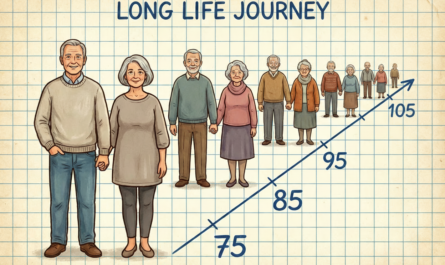
Step 1 was something you had no control over: your genes. Living a long time is based, partially, on the genetic material you were born with thanks to your Mom and Dad. That, however, only contributes to about 10 to 25% of your lifespan according to experts. So even if you didn’t get absolutely perfect human genes – and no one really does—there are things you can control to help extend your life.
Yes, Yes, I know these are obvious and probably most appropriate for people ages 30 to 70. But here goes, anyway…
2. Eat wholesome food
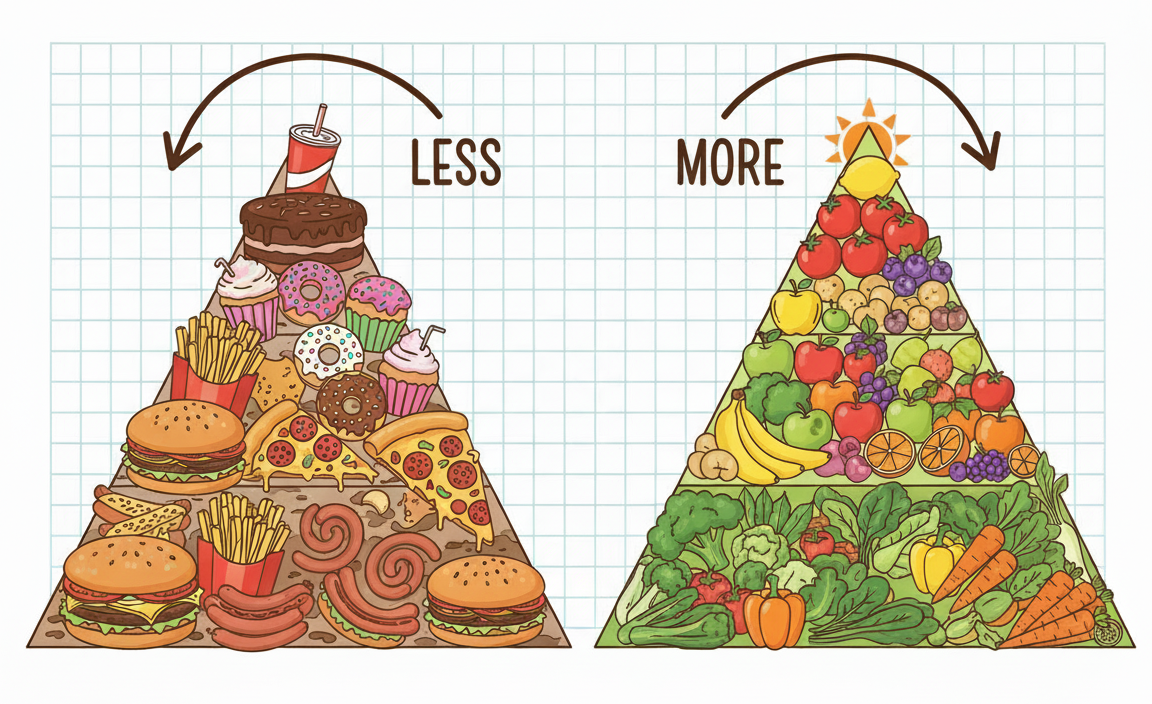
RFK Jr. is wrong about vaccines, but mostly right about food. Fast, over-processed food is disastrous for your health. It is ladened with sugars and salt and dyes and dubious fats and unpronounceable chemicals that make human bodies say “Oh, yum! Tastes good!” While making taste buds happy, fast food contributes to certain illnesses, particularly those associated with aging.

For starters did you know that the recommended daily amount of protein for healthy American adults is about 3/4 the size of a Quarter Pounder beef patty. And salt content? Don’t even ask, especially if you’ve added fries to your order.
What this means is that your kidneys—the organs that do clean-up filtration in your body—have to work very hard to process salt and protein and your poor kidneys are already getting older and tottering closer toward kidney disease every day. In fact, 44% of Americans over age 65 have chronic kidney disease and most don’t know it. Yet. And don’t get me started about damage these things can do to your heart.
Then there is soda pop. Some call them “death drinks.” I think of them as fat enablers. Eliminate soda drinks from your life and you will lose weight, without expensive Ozempic.

The bottom line: prepare more fresh or frozen vegetable dishes—with less salt!
Or, you can ignore all this and do what my grandmother Anna did—eating mostly chocolates, ice cream, and bacon the last five years of her life after surviving a serious bout of hepatitis at age 82. (She died in her sleep at age 87.)
3. Exercise
Do it every single day, whether it is chair yoga or Steps or trips to the gym. Mild exercise daily has been documented to increase longevity by 3 years. More active exercise can add 7 years to your life. 7 years can mean that a breakthrough scientific discovery or medicine could be found by our new friend, Medical A.I., during those years to add even more good time to your life.
As for that 10,000 Steps – forget about it! I figured out that it would take more than 2 hours a day of walking to do 10,000 Steps so now I do one mile a day inside my home. That’s about 2500 Steps. And it turns out that 10,000 Steps was just a number snatched out of the blue in Japan where this program began. There was no scientific basis for the 10,000, although there is now U.S. and E.U. research backing up lower distances, like 3 to 4 thousand daily steps, being good for longevity.
I hope you take this advice to heart — your heart will thank you for it.
4. Sleep 7 hours a night
How I wish I could sleep that long every night! I could write about the dozens of tips and techniques recommended to help older people fall asleep and stay asleep at night, but you probably have already read them all. It seems there is a new idea every week. I have no recommendations for you. Sorry.
Now to bring this topic to its finale: Steps 5 and 6. They are designed to put you squarely into the 21st Century and do it painlessly.

Tell your friends about this!

Discover more from Real Life Retirement
Subscribe to get the latest posts sent to your email.